CONTACT US FOR 24/7 SWIFT AND RELIABLE ASSISTANCE
- 1136 COUNTY ROAD 2381 S WINNSBORO, TX 75494
-
MON-FRI: 9AM-5PM
SAT-SUN: CLOSED
24-HOUR EMERGENCY
CONTACT US FOR 24/7 SWIFT AND RELIABLE ASSISTANCE
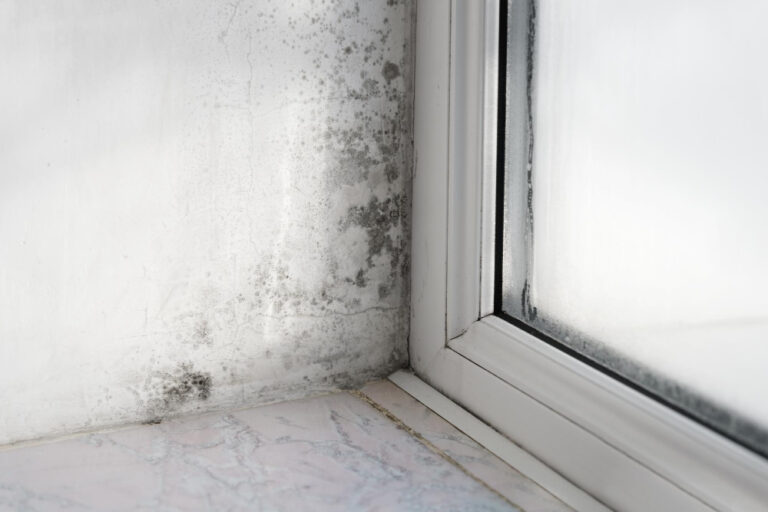
Water damage can strike at any time from burst pipes, storms, or roof leaks and it can quickly compromise the integrity of your home. When this happens, fast action is critical to prevent mold, decay, and structural issues. This is where structural drying services come in.
Professional structural drying not only removes excess moisture but also restores your home’s foundation, floors, and walls to their original condition. In this article, we’ll explain what structural drying is, why it’s essential, and how the process works.
Structural drying services involve specialized equipment and techniques designed to remove moisture from your home’s structural components, including walls, floors, ceilings, and crawl spaces. Unlike simple air drying, professional drying ensures that even hidden moisture behind walls and under floors is eliminated.
Key benefits include:
Even small amounts of lingering moisture can lead to serious problems. Structural drying prevents:
Professional drying ensures that every inch of your home is properly treated.
When you hire a professional, they follow a proven process:
This approach not only restores your home but also prevents future problems caused by trapped water.
Structural drying is essential in spaces that are prone to water intrusion, such as:
While portable fans and small dehumidifiers may seem like a solution, they often fail to reach hidden moisture. Professional structural drying services offer:
In water damage situations, professional intervention is critical for complete restoration.
By combining professional services with preventive measures, you can keep your home safe and dry.
1. How long does structural drying take?
Most homes are completely dried within 24-72 hours, depending on the size of the affected area.
2. Can structural drying prevent mold growth?
Yes, removing moisture quickly prevents mold and mildew from developing, protecting both health and property.
3. Is structural drying safe for my family and pets?
Absolutely. Professionals use non-toxic equipment and follow strict safety protocols.
4. Will my walls or floors be damaged during drying?
No. Modern structural drying methods are designed to minimize disruption while thoroughly removing moisture.
5. How can I know if my home needs structural drying?
Signs include musty odors, visible water damage, peeling paint, or sagging walls and floors. Professional inspections provide a definitive answer.
Water damage doesn’t wait and neither should you. Every hour trapped moisture sits inside your walls or floors, the risk of mold and expensive repairs climbs. Call Wet To Dry now for immediate structural drying and a detailed moisture assessment before small damage turns into a major rebuild. You’ll get straight answers, rapid response, and expert drying that stops problems at the source—so you can protect your home, your health, and your wallet. Act now. The faster you respond, the more you save.