CONTACT US FOR 24/7 SWIFT AND RELIABLE ASSISTANCE
- 1136 COUNTY ROAD 2381 S WINNSBORO, TX 75494
-
MON-FRI: 9AM-5PM
SAT-SUN: CLOSED
24-HOUR EMERGENCY
CONTACT US FOR 24/7 SWIFT AND RELIABLE ASSISTANCE
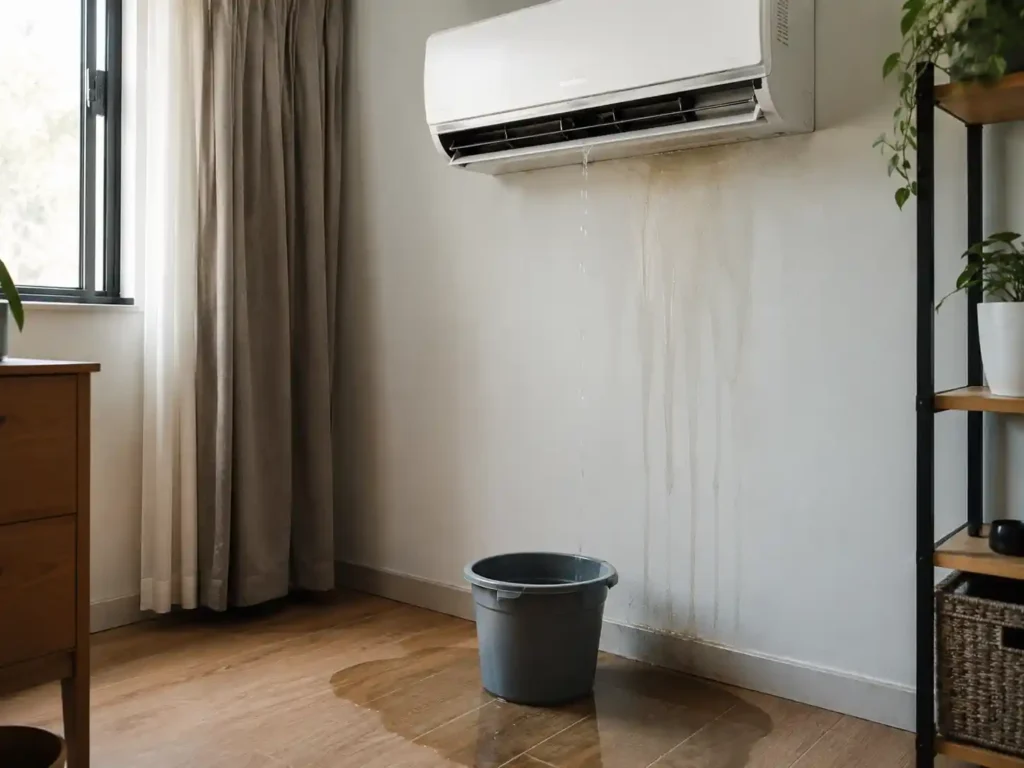
AC Leak Water Damage in East Texas: What Homeowners Should Do First. When most homeowners think about water damage, they picture a burst pipe, heavy rain, or flooding. But in East Texas, one of the most common sources of hidden water damage can come from the air conditioning system.
An AC unit that is working hard through hot, humid weather can create condensation every day. When everything is draining correctly, that moisture is carried safely away. But when a drain line clogs, a pan overflows, or an attic unit leaks, water can end up in ceilings, walls, insulation, flooring, and cabinets before anyone notices.
By the time a brown ceiling stain appears or water starts dripping from a vent, the damage may already be larger than it looks.
Air conditioners remove moisture from indoor air. That moisture collects and drains through a condensate line. If the line becomes clogged with algae, dirt, dust, or debris, water can back up and overflow.
Leaks can also happen when the drain pan rusts, cracks, or shifts out of place. In attic installations, even a small leak can become serious because water may drip into insulation, drywall, framing, and ceiling cavities. If the AC system is near a closet, hallway, garage, or second-story area, the water can travel along hidden paths before becoming visible.
In humid areas, the system may also sweat if insulation is missing or airflow problems create excess condensation.
If you see active dripping, staining, sagging drywall, wet flooring, or water around the air handler, turn off the AC system if it is safe to do so. This helps stop additional condensation from feeding the leak.
If there is standing water near electrical components, avoid touching the unit or walking through the water. Electrical safety comes first. When in doubt, shut power off at the breaker and call a professional.
Once the system is off, call an HVAC technician if the leak source is still active. Then call a restoration company to inspect and dry the affected materials.
One of the biggest mistakes homeowners make is drying only what they can see. A ceiling stain may look small, but moisture can spread across drywall, insulation, framing, and wall cavities. Flooring may feel dry on top while moisture remains underneath.
This is why professional moisture inspection matters. Restoration technicians use moisture meters, thermal imaging, and drying equipment to identify wet materials and track the drying process.
Wet To Dry Restoration’s water damage process includes moisture mapping, structural drying, dehumidification, and documented monitoring until affected materials reach appropriate dry standards. That documentation is especially useful when insurance is involved.
AC leaks often show up as ceiling stains, bubbling paint, soft drywall, or sagging texture. If the ceiling is bulging, do not poke it while standing underneath. Water can release suddenly and bring damaged drywall with it.
Move furniture, electronics, rugs, and personal items out of the area if possible. Place a bucket only if water is actively dripping and the ceiling looks stable. If the drywall is sagging heavily, keep people and pets away until it can be assessed.
Warm, damp, hidden spaces are exactly where mold concerns can begin. The goal is not to panic, but to dry the structure quickly and correctly.
If the AC leak has been happening for a while, there may already be microbial growth behind walls, inside cabinets, or above the ceiling. A restoration company can inspect the area and determine whether drying alone is enough or whether mold remediation is needed.
Wet To Dry Restoration handles both water damage and mold remediation, which helps homeowners avoid bouncing between multiple contractors when moisture and mold concerns overlap.
Coverage depends on the policy and the cause of the loss, but sudden and accidental water damage from an AC leak may be covered in some situations. Long-term maintenance issues or repeated leaks may be treated differently.
Before throwing away damaged materials, take photos and videos. Document the AC unit, the visible leak, ceiling stains, wet flooring, damaged personal belongings, and any emergency steps you took.
Wet To Dry Restoration documents losses and coordinates with insurance providers, helping homeowners create a clear record of what happened and what work was performed.
After the immediate issue is handled, prevention matters. Homeowners should have the AC drain line checked and cleaned regularly, especially before heavy summer use. Make sure drain pans are in good condition, float switches work properly, and attic units are inspected for signs of rust, staining, or prior overflow.
It is also smart to check ceilings, closets, and walls near the AC system from time to time. A small stain is easier to handle than a collapsed ceiling.
An AC leak may start small, but hidden water damage can grow quickly in East Texas humidity. If you notice dripping, staining, soft drywall, musty smells, or wet flooring near your AC system, do not wait for it to dry on its own.
Wet To Dry Restoration provides 24/7 emergency water damage restoration in Winnsboro, Sulphur Springs, Pickton, Clearwater, Cumby, and surrounding East Texas communities. One call can start the inspection, water removal, structural drying, and documentation process before the damage spreads.