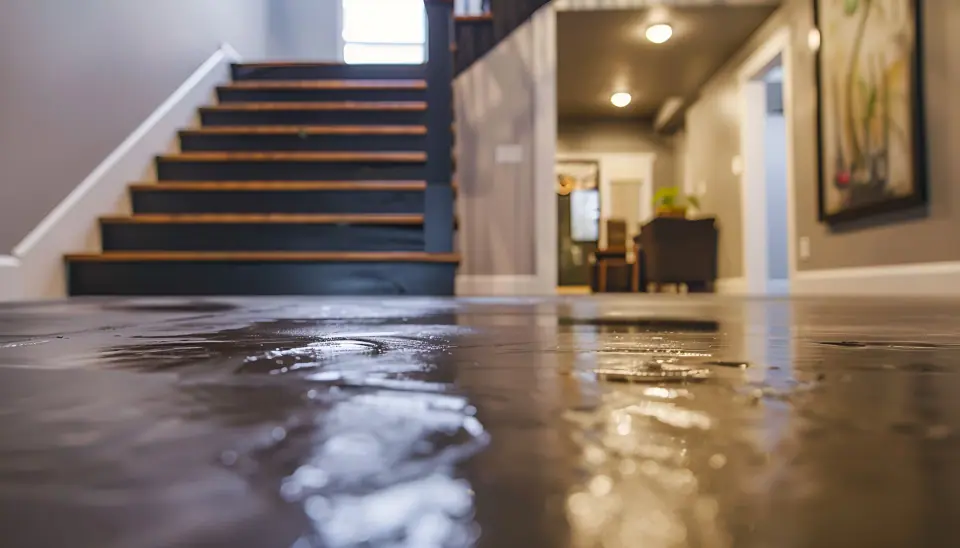

East Texas storms can move in fast. Heavy rain, strong wind, roof damage, fallen limbs, backed-up drains, and rising water can leave homeowners dealing with wet floors, ceiling leaks, soaked insulation, damaged drywall, and a house that suddenly feels unsafe.
When water gets inside, it is easy to feel overwhelmed. You may not know whether to call a roofer, plumber, insurance company, or restoration crew first. The right answer depends on where the water is coming from, whether it is still entering the home, and how much damage has already occurred.
The most important thing is to act quickly and safely.
Make Sure the Home Is Safe
Before cleaning or moving items, think about safety. Do not walk through standing water if there is a chance it is touching electrical outlets, cords, appliances, or the breaker panel. If the ceiling is sagging, stay out of that area. If water came from outside flooding, a sewage backup, or contaminated sources, avoid direct contact.
Storm water can carry dirt, bacteria, chemicals, and debris. Even if the water looks clear, it may not be clean.
If the home feels unsafe, leave the area and call professionals. Your property matters, but your family’s safety comes first.
Stop the Water If You Can
If water is entering through a roof leak, broken window, damaged door, or plumbing issue, stopping the source is the first priority. That may mean placing a temporary covering, shutting off water, moving items away from the leak, or calling emergency help.
Do not climb onto a wet roof during or immediately after a storm. Roof work can be dangerous, especially with wind, rain, damaged shingles, soft decking, or fallen branches.
Wet To Dry Restoration provides emergency restoration services for storm-related water damage, including water removal, structural drying, flood cleanup, sewage backup cleanup, and repairs for homes and businesses across East Texas.
Document Everything Early
Before moving too much around, take photos and videos. Capture where the water entered, wet floors, ceiling stains, damaged walls, affected furniture, soaked rugs, wet insulation, damaged contents, and any standing water.
Good documentation can help with insurance communication. It also creates a record of what happened before cleanup begins.
If you need to move items to prevent more damage, do it carefully and take photos first when possible. Keep receipts for emergency services, temporary repairs, hotel stays, supplies, or other related expenses.
Remove Standing Water Quickly
Standing water should be removed as soon as possible. The longer water sits, the more it can soak into flooring, baseboards, drywall, cabinets, insulation, and subflooring.
Mopping up a small amount of clean water may help, but larger losses need professional extraction equipment. Wet carpet, soaked pad, wood flooring, laminate, and drywall can hold moisture even after the surface looks dry.
Professional water extraction helps reduce the amount of moisture that drying equipment must handle later.
Dry the Structure, Not Just the Room
After visible water is removed, the drying process begins. This is where many homeowners underestimate the damage. Fans from the garage are not the same as structural drying.
Storm water can move behind baseboards, under flooring, into wall cavities, and across ceilings. Without moisture readings, it is hard to know whether the structure is truly dry.
Wet To Dry Restoration uses structural drying, dehumidification, air movement, moisture monitoring, and documentation to help reduce secondary damage and support the insurance claim process.
Watch for Mold Risk
Mold is not always visible right away. It can begin developing when moisture remains in building materials, especially in warm and humid conditions.
If the home smells musty after a storm, or if walls, floors, or ceilings were wet for more than a short period of time, a professional inspection is a smart step. Mold prevention starts with fast water removal and proper drying.
Wet To Dry also offers mold remediation when inspection shows existing mold or when water damage and mold concerns overlap.
Call Your Insurance Company
Once the emergency is under control, contact your insurance provider and report the damage. Ask what your policy requires, whether emergency mitigation is covered, and what documentation they need.
Be careful about assuming coverage before the claim is reviewed. Roof leaks, wind-driven rain, plumbing damage, sewage backups, and rising flood water may be handled differently depending on the policy. If flooding came from rising outdoor water, a standard homeowners policy may not cover it unless you carry separate flood coverage.
A restoration company that documents the loss can help you provide photos, estimates, moisture readings, and scope notes to the carrier.
Do Not Wait for Business Hours
Storm water damage does not respect office hours. Waiting until Monday can allow moisture to spread, materials to deteriorate, and mold risk to increase.
Wet To Dry Restoration dispatches 24/7 for water, fire, mold, plumbing, storm, and sewage emergencies in Winnsboro, Sulphur Springs, Pickton, Clearwater, Cumby, and surrounding East Texas communities. When storm water gets inside, one call can start water removal, drying, documentation, and repairs before the damage gets worse.
The sooner the home is inspected and dried, the better chance you have of protecting the structure, your belongings, and your peace of mind.