Mold is more than just an unsightly nuisance — it can be a serious threat to your home and your health. What’s worse? Mold often grows in hidden places where you might not see it until the damage is done.

At Wet to Dry Restoration, we’ve helped countless homeowners across [Your Area] identify and eliminate mold before it spreads. If you suspect something isn’t right in your home, here’s how to spot mold early and what to do if you find it.
Why Mold Is a Problem
Mold thrives in damp, humid environments and can start growing in as little as 24 to 48 hours after water exposure. If left untreated, it can:
- Damage walls, floors, and ceilings
- Compromise indoor air quality
- Trigger allergies and respiratory issues
- Cause long-term structural problems
The earlier you catch it, the easier (and cheaper) it is to fix.
Early Warning Signs of Mold Growth
Here’s what to look — and sniff — for:
1. Musty Odors
A strong, earthy, musty smell is often the first clue of hidden mold. Even if you can’t see it, a persistent odor in your basement, bathroom, or laundry area could be a sign that mold is present.
2. Discoloration on Walls or Ceilings
Mold isn’t always black — it can appear green, gray, white, brown, or even pink. Look for:
- Peeling paint or wallpaper
- Water stains with fuzzy edges
- Spots or streaks on drywall, tiles, or grout
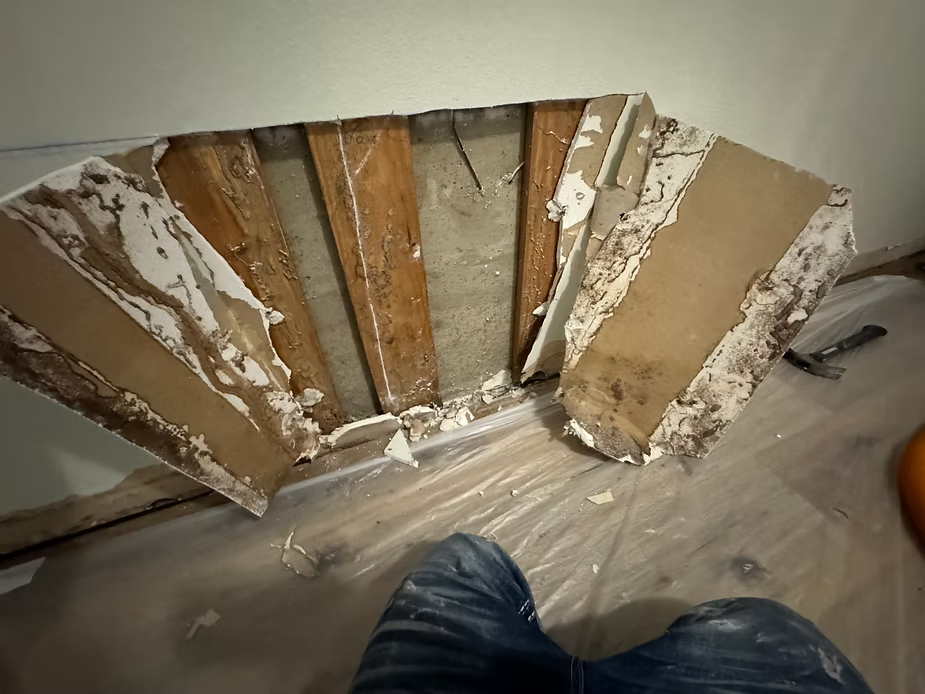
💡 Pro Tip: Mold often grows behind walls or under flooring where a leak or spill has occurred.
3. Visible Growth
Sometimes mold is easy to identify — it looks like a patch of fuzz or dirt. It may start small but can spread rapidly across damp areas.
4. Water Leaks or Moisture Issues
Any recent leak, flooding, or water damage — even minor — creates the perfect conditions for mold. Watch areas near:
- Sinks and tubs
- Washing machines
- Rooflines and windows
- Crawl spaces and basements
Even high humidity alone can trigger growth.
5. Health Symptoms
If you or your family experience any of these symptoms at home (especially if they improve when you’re away), mold may be the culprit:
- Chronic coughing or sneezing
- Wheezing or shortness of breath
- Skin irritation or rashes
- Itchy, watery eyes
- Headaches or fatigue
Mold exposure can be especially dangerous for those with asthma, allergies, or weakened immune systems.
High-Risk Areas in the Home
Mold loves warm, damp, poorly ventilated spaces. Keep an eye on:
- Crawl spaces
- Bathrooms (especially under sinks and behind toilets)
- Kitchens (around dishwashers and under refrigerators)
- Attics (especially with roof or ventilation issues)
- Behind walls or under floors with past water damage
What NOT to Do If You Suspect Mold
- Don’t try to bleach it away — bleach can discolor mold but often doesn’t kill the root.
- Don’t disturb moldy areas — this can release spores into the air.
- Don’t ignore it — it won’t go away on its own.

What to Do Next: Call a Mold Remediation Professional
At Wet to Dry Restoration, we offer certified mold inspections and remediation services that follow industry best practices. Our process includes:
- Thorough inspection using moisture meters and infrared tech
- Containment to prevent mold from spreading
- Safe removal using HEPA filtration and antimicrobial treatments
- Drying and prevention to stop mold from returning
- Restoration of affected walls, floors, and finishes
Think You Might Have Mold? Let’s Find Out.
Don’t wait for mold to become a major health hazard or damage your home. If you’ve noticed any of the signs listed above, it’s time to take action.
Call Wet to Dry Restoration today or request a free mold inspection.


