When water spreads across the floor, most homeowners ask the same question: can this flooring be saved, or does it have to come out?
The answer depends on the type of flooring, how much water is present, where the water came from, how long it has been sitting, and whether moisture has moved underneath the surface. A floor that looks dry on top may still be wet underneath. In East Texas, where humidity can slow drying, waiting too long can make the damage worse.
Whether the problem comes from a broken supply line, overflowing appliance, water heater failure, roof leak, or plumbing backup, fast action gives you the best chance of saving materials.
Start With the Type of Water
Before deciding what can be saved, it is important to know what kind of water affected the floor.
Clean water from a supply line or appliance leak may allow more materials to be dried if handled quickly. Gray water from certain appliance overflows or drain issues can carry more contamination. Sewage backups or flood water are more serious and often require removal of affected porous materials for safety.
Do not assume all water is the same. If the source is a toilet backup, sewage line, storm flooding, or unknown water, avoid walking through it and call a restoration professional.
Carpet and Padding
Carpet is sometimes salvageable when the water is clean and the response is fast. Professional extraction, lifted carpet, air movement, and dehumidification may help dry the carpet properly.
The padding is a different story. Carpet pad acts like a sponge. In many water damage jobs, the pad may need to be removed and replaced even if the carpet itself can be saved. If the water is contaminated, carpet and padding may both need to be removed.
The biggest mistake homeowners make is using towels or a shop vacuum and assuming the carpet is dry. Moisture can remain deep in the pad and subfloor, creating odor and mold concerns later.
Hardwood Floors
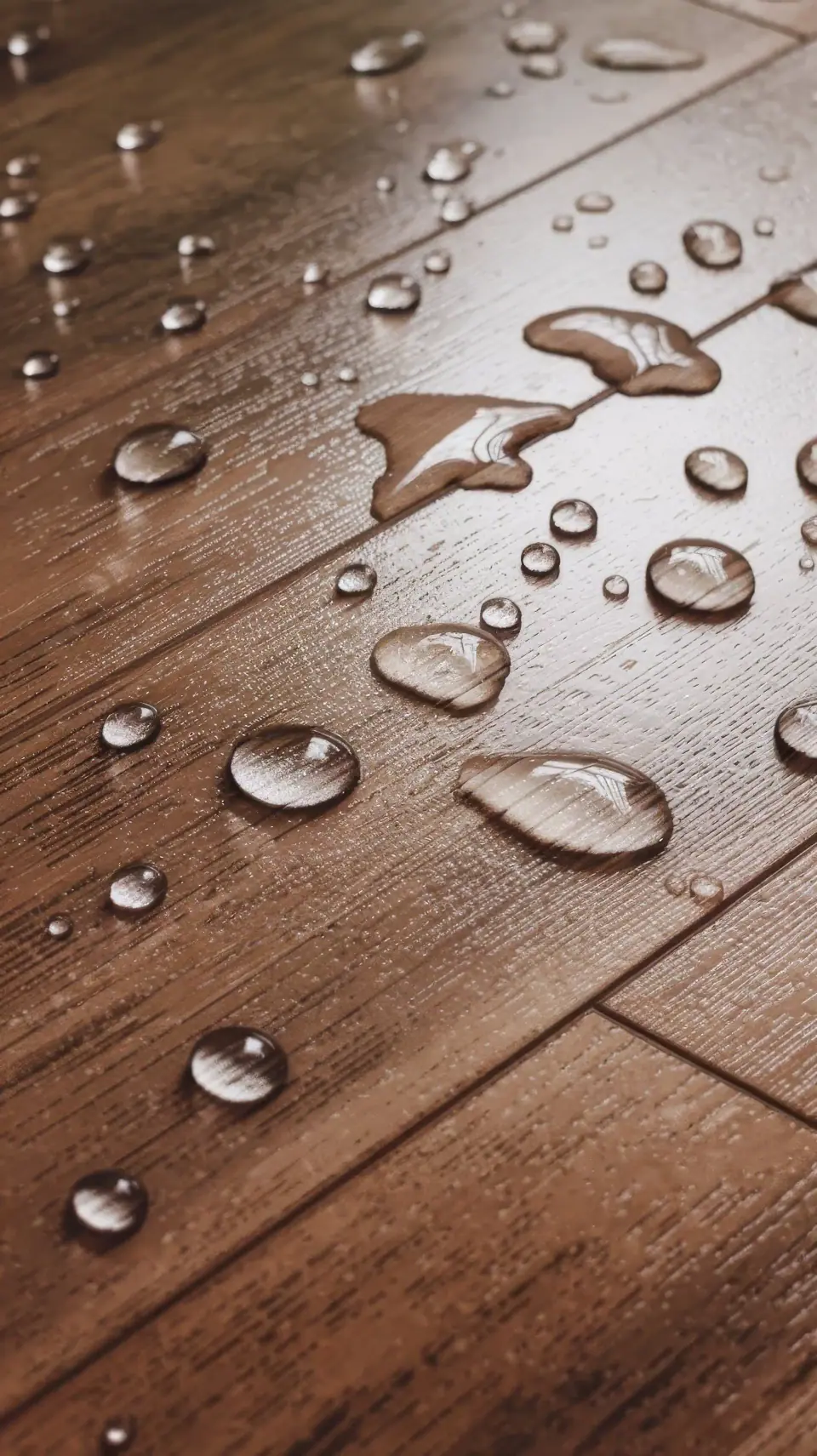
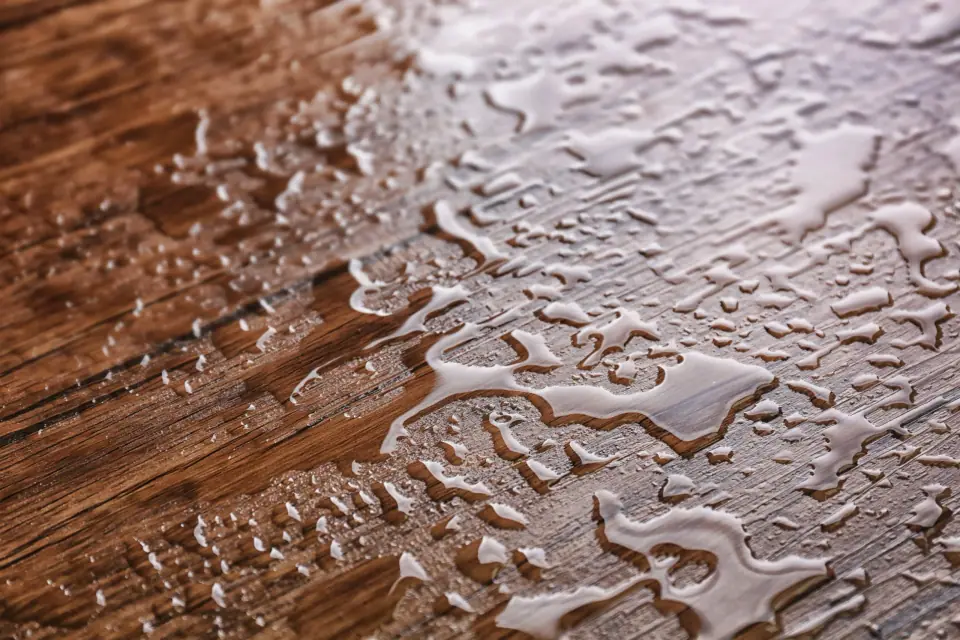
Hardwood can sometimes be saved, but timing is critical. Wood absorbs moisture and may cup, crown, buckle, darken, or separate when water remains too long.
Professional drying may include surface drying, controlled dehumidification, moisture monitoring, and sometimes specialty floor drying equipment. The goal is to dry the wood gradually and correctly, not blast it with random heat.
If hardwood flooring is already severely buckled, separating, or showing long-term moisture damage, replacement may be necessary. Still, an inspection should happen before making that decision. Some floors look worse before drying begins but may improve when moisture is removed properly.
Laminate Flooring
Laminate is often more difficult to save after water gets underneath it. Many laminate products have fiberboard cores that swell when wet. Once swelling, bubbling, or edge lifting occurs, the material may not return to its original shape.
If water only sits briefly on the surface and is cleaned up immediately, damage may be limited. But if water reaches seams, edges, or the underlayment, removal is often needed.
Homeowners should not install new flooring over a wet subfloor. The surface may look ready, but trapped moisture can cause new damage after repairs.
Tile and Grout
Tile itself is usually more water-resistant than carpet, hardwood, or laminate. However, water can still move through grout lines, cracks, edges, and transitions. Moisture may collect under tile, behind baseboards, or in the subfloor.
If tile is loose, hollow-sounding, cracked, or installed over a wet underlayment, the assembly should be evaluated. Drying may still be needed even when the tile surface looks fine.
Why Moisture Testing Matters
You cannot reliably judge flooring moisture by touch alone. A floor can feel dry while the subfloor, wall base, padding, or underlayment remains wet.
Restoration professionals use moisture meters, thermal imaging, extraction equipment, air movers, and dehumidifiers to find and dry hidden moisture. Wet To Dry Restoration’s water damage process includes emergency water removal, structural drying, dehumidification, and moisture monitoring for homes and businesses across East Texas.
Call Before Removing Everything
It is natural to panic and start tearing out flooring. In some cases, removal is necessary. In others, quick professional drying may save materials and reduce repair costs.
If water has affected carpet, hardwood, laminate, tile, baseboards, or cabinets, call for help before the damage spreads. Wet To Dry Restoration provides 24/7 emergency water damage restoration in Winnsboro, Sulphur Springs, Pickton, Clearwater, Cumby, Greenville, and surrounding East Texas communities.
Fast inspection gives you clear answers: what can be dried, what should be removed, and what needs to happen next.