Crawl space encapsulation is the last step of fixing a moldy crawl space: once the mold is cleaned off the joists, beams and subfloor and the wood is treated, a protective coating is sprayed on to seal the clean surfaces so moisture has a harder time starting new growth. It only works if the water that caused the mold is dealt with first. If you have a pier-and-beam house in East Texas and the floors smell musty, feel soft or the air in the house never quite feels fresh, the crawl space is the first place to look.
Here is what is going on under the house, how the work is done, and how to tell if you need it.
Why Crawl Spaces Mold Out in East Texas
Most homes around Winnsboro sit on a concrete slab, so there is nothing under the floor to go wrong. Pier-and-beam homes are different. They are more common out toward the lakes, and the house sits up on piers with an open space underneath. That space is dark, shaded and close to the ground, which is exactly where moisture collects.
The usual causes are simple:
- Poor drainage. When the ground around the house slopes toward the foundation, rain runs under the house and sits there.
- Missing or removed gutters. Roof water dumps right at the foundation line and soaks the soil under the house.
- Plumbing leaks. A slow drip from a supply line or drain under the floor can wet the same joists for months before anyone crawls under to look.
- Humid air. East Texas summers are humid, and that damp air settles on cooler wood under the house.
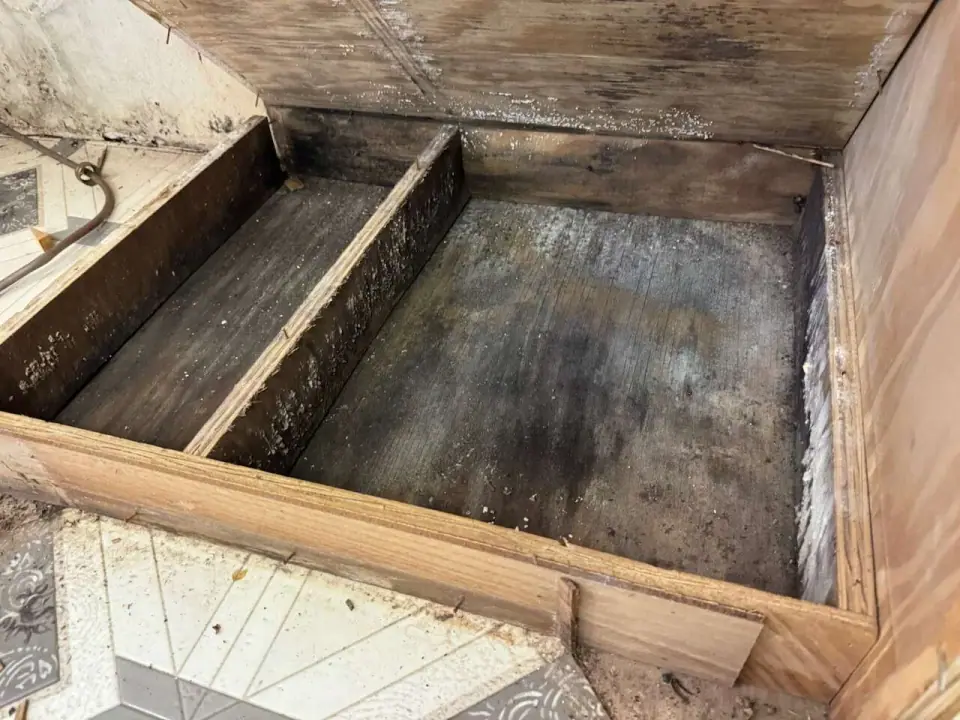
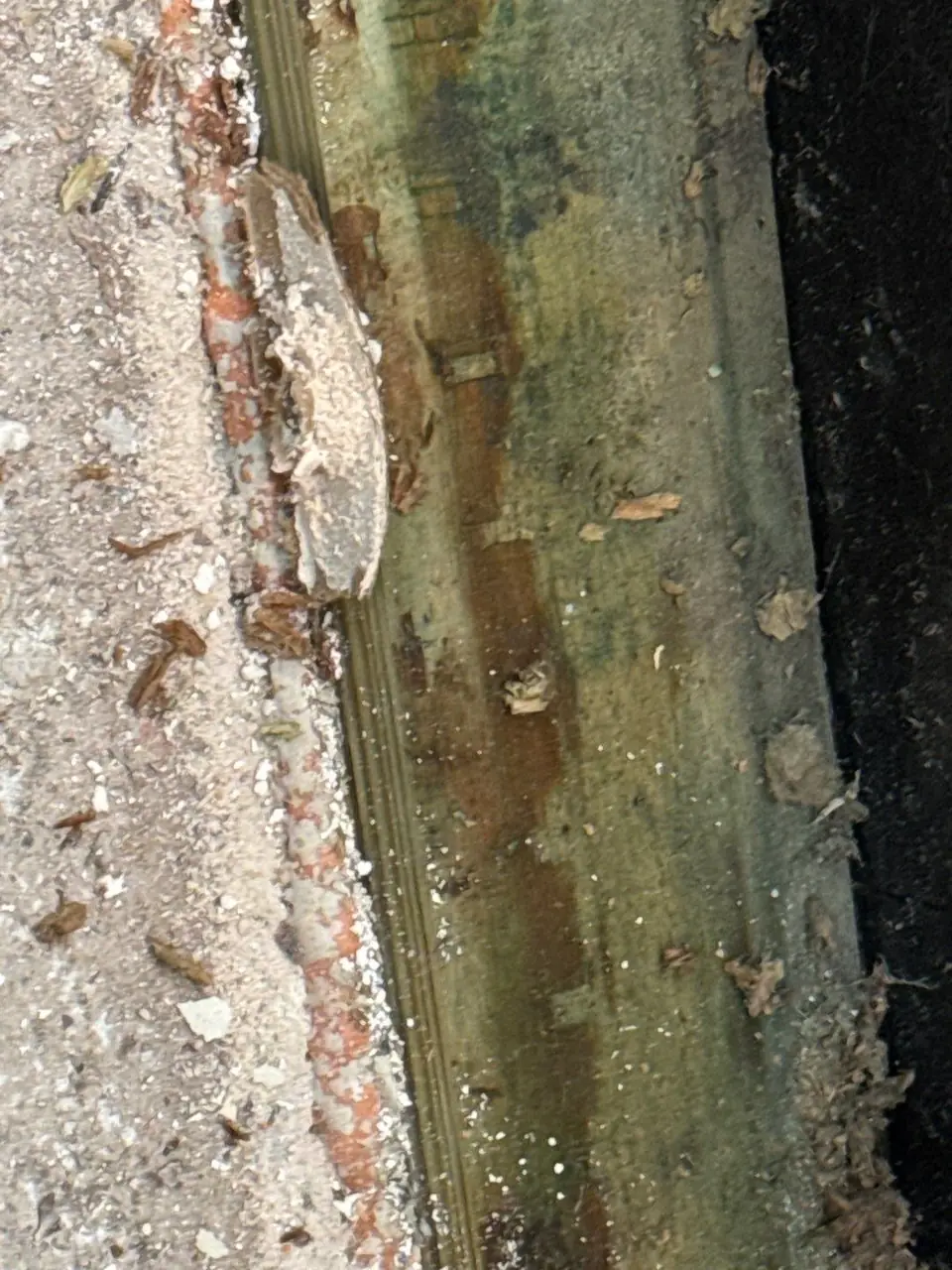
Years of that moisture and the wood framing starts to mold. Nobody sees it, because nobody goes under the house until something smells or a floor starts to give.
Signs Your Crawl Space Has a Mold Problem
- A musty or earthy smell inside the house, often worst in rooms right above the crawl space
- Floors that feel soft, bouncy or uneven
- Allergy-type symptoms that ease up when you leave the house
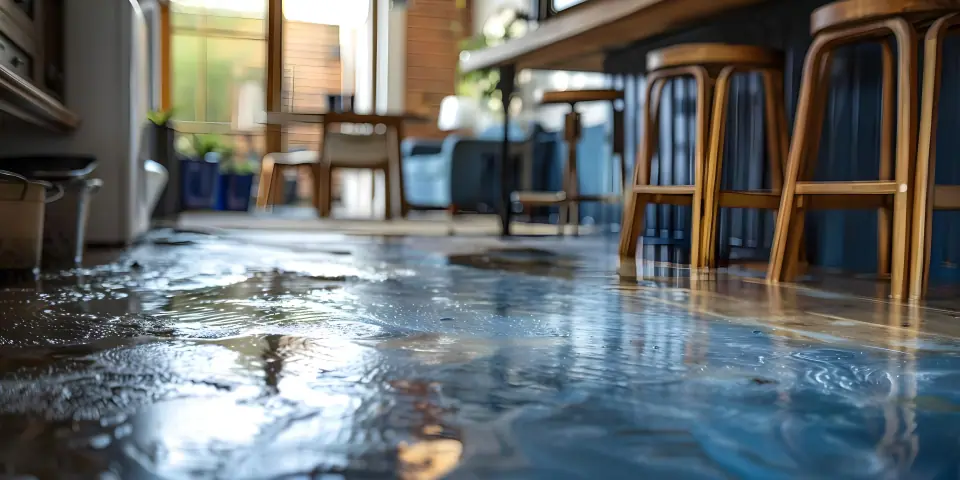
- Standing water, wet soil or puddles under the house after rain
- Visible dark or fuzzy growth on joists, beams or the underside of the subfloor
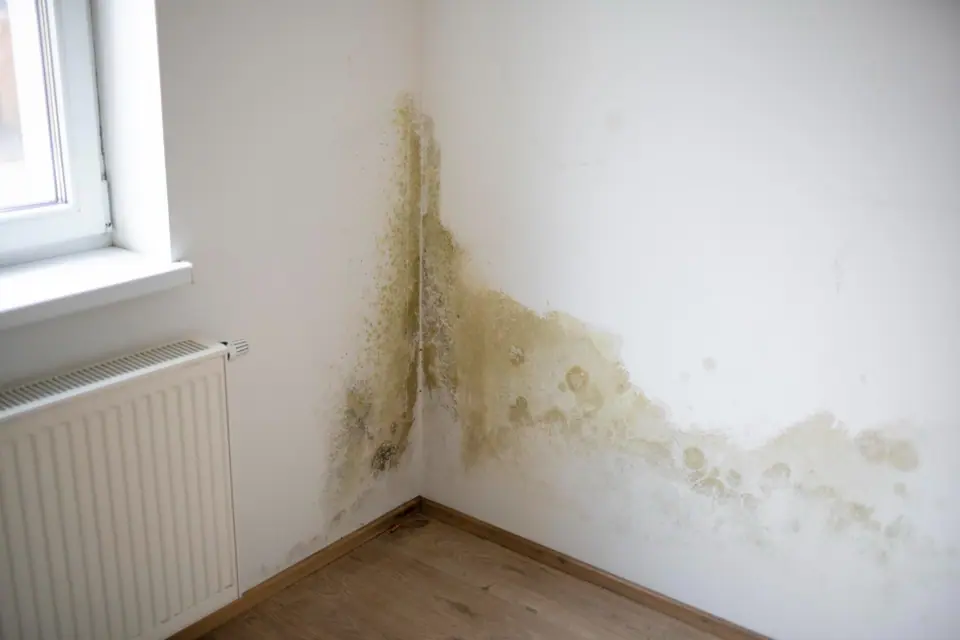
- Higher humidity indoors, sticky air or condensation on windows
None of these proves there is mold. Together they are a good reason to have someone get under the house and look. If you want to check the air first, our guide on how to test for mold covers what home tests can and cannot tell you.
How Crawl Space Mold Removal and Encapsulation Work
Every crawl space is different, but the job follows the same order. Skipping a step is how mold comes back.
1. Inspect and find the water
Someone crawls under the house, checks the framing, the soil and the plumbing, and takes moisture readings. The goal is to answer one question: where is the water coming from? Drainage, gutters, a leak and humidity each have a different fix.
2. Stop the moisture source
A plumbing leak gets repaired. Drainage and gutter problems are pointed out so they can be corrected. Cleaning mold off wood that will just get wet again is wasted money, so this step comes before any treatment.
3. Clean the mold off the framing
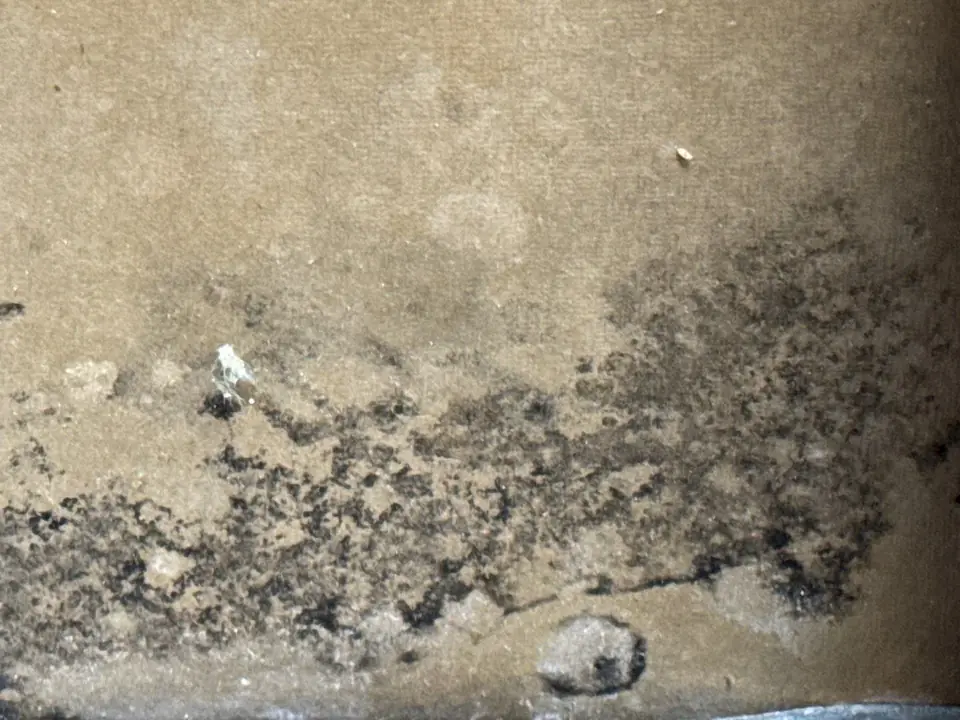
The affected joists, beams and subfloor are cleaned. Depending on how heavy the growth is, that can mean sanding, scrubbing and cleaning the surfaces down to sound wood. Damaged material that cannot be saved is removed.
4. Treat and spray
Once the wood is clean, it is treated and sprayed. On a lot of jobs the framing looks close to new at this point.
5. Encapsulate
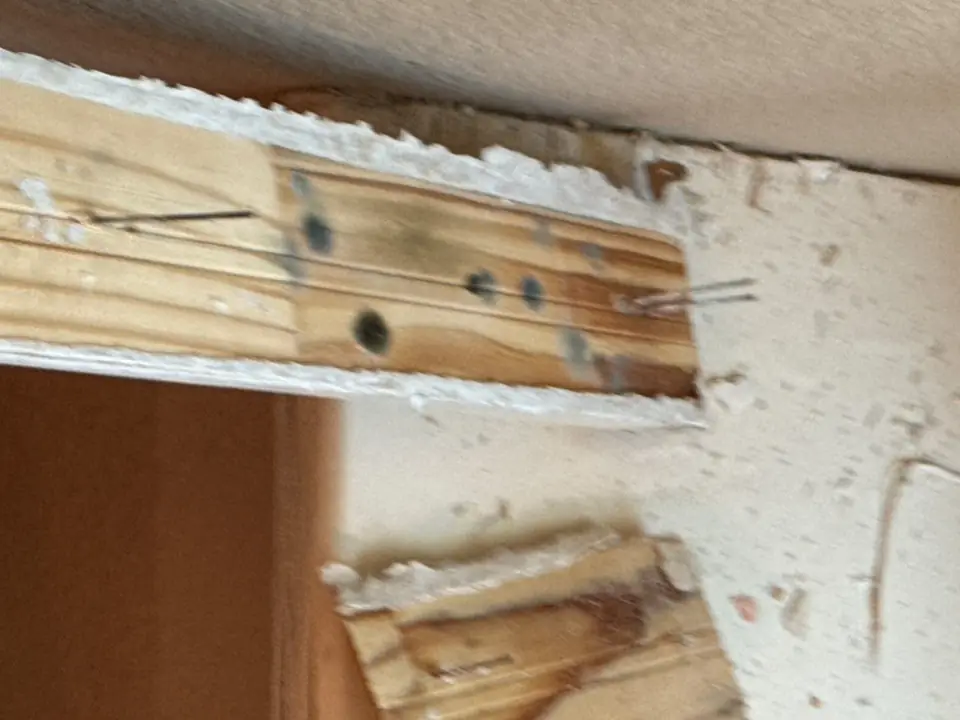
The final coat is the encapsulation: a protective coating, like a mold-resistant paint, that seals the cleaned wood so new growth has a harder time getting started. We do the same thing inside wall cavities when mold is found behind drywall after a leak.
You will also hear "crawl space encapsulation" used for sealing the whole crawl space with a heavy plastic liner. That is a different scope. When you get quotes, ask each company exactly what their encapsulation includes so you are comparing the same work.
How Long It Takes and What It Costs
Crawl space jobs vary more than most mold work, because the size of the crawl space, the amount of growth, how hard it is to get under the house and what is causing the moisture all change the scope. A small, accessible crawl space with light growth is a very different job from a large one with years of damage to the framing. The only honest way to price it is to look. An inspection gives you a written scope, so you know what is being cleaned, treated and sealed before any work starts.
Can You Do It Yourself?
A homeowner can check gutters, look at drainage and fix an obvious leak, and those steps help. Cleaning mold off framing in a tight crawl space is a different matter. It is dirty, cramped work, disturbing mold puts spores in the air, and if the moisture source is missed the growth comes right back under a fresh coat of paint. If the area is small and the cause is clear, light cleanup may be manageable. If the growth is spread across the framing or the floors are soft, call someone who does this every week.
Crawl Space Mold Help in East Texas
Wet To Dry Restoration is based in Winnsboro and works crawl spaces across East Texas, including the pier-and-beam homes around the lakes near Mount Pleasant and Mineola. We get under the house, find the water, clean and treat the framing, and seal it. Our mold remediation page explains the rest of what we do, and the mold remediation process, step by step walks through a full job.
If your floors smell musty or feel soft, call (903) 869-8838 and we will come take a look.